
Publish Your Book: A Step-by-Step Guide for Aspiring Authors
- 03.31.24
- Book Marketing, Education
- No Comments
Imagine your name proudly displayed on the cover of your very own book. Before diving into the journey of book publishing, it’s crucial for aspiring authors to grasp the intricate dance of the written word. Let’s begin by charting the terrain of your literary expedition.
From crafting a compelling title to choosing a genre that speaks to your voice, the path to publication starts with a strong foundation. Important decisions await, including navigating the meticulous world of editing—a pivotal step that can elevate your manuscript from good to exceptional. Now, envision your polished manuscript, ready to transform into a tangible book that will soon find its way into readers’ hands.
This guide is your compass to navigating the crossroads of self-publishing and traditional publishing lanes, alongside the marketing journeys that call for your book to be discovered. Welcome to “Publish Your Book: A Step-by-Step Guide for Aspiring Authors,” where your dream of becoming a published writer is about to embark on a thrilling voyage.
Overview of the Writing Process
The writing process is a crucial journey that transforms a mere book idea into a tangible manuscript ready for readers. It begins with meticulous planning, where the author defines their ideal reader, decides the type of book they aim to create, and outlines the book’s structure. This stage is about setting a solid foundation, which includes identifying the target audience, understanding their needs, and carving out goals and deadlines that are not just ambitious but also achievable. Tools and resources like Authors Breeze can be incredibly helpful, providing organizational support to keep thoughts streamlined and momentum sustained.
Once the planning is in place, the actual writing begins. It’s a phase where consistency is key. Whether it involves adhering to a daily word count or completing a set number of chapters each week, it is about establishing a routine and sticking to it. However, consistency should not equate to burnout. Breaks are important for maintaining creativity and perspective. Authors can further fine-tune their work by leveraging editing tools that aid in refining language and narrative before the manuscript goes through professional editing.
Remember that the writing process is not a sprint but a marathon that demands dedication, discipline, and, at times, sacrifice. It is the commitment to turning the dream of a completed book into reality.
Understanding the Importance of a Good Book Title
 The significance of an eye-catching, memorable book title cannot be overstated. The title is often the first interaction potential readers have with a book, and as the adage goes, first impressions count. According to the PINC Acronym, a good title should Promise something to the reader, pique their Interest, proclaim a new and exciting piece of work (Novel), and have a Component that indicates the book’s content or theme. It should communicate clearly what the book is about, steering clear of overly complex or obscure references.
Many authors find that selecting a title after completing the first draft of their book allows for greater flexibility and creativity during the writing process. This prevents being boxed into a narrative dictated by an initially chosen title. When considering book titles, simplicity is key—it enables easy recall and invites potential readers. Hence, while it’s important to be thoughtful and deliberate about a book title, overcomplicating this process can work against the book’s accessibility and marketability.
Choosing the Right Genre and Type of Book
Navigating the diverse literary landscape, authors must choose a genre that best suits their writing style and book idea. Genres such as romance, mystery, thriller, fantasy, young adult, and science fiction are among the most popular in the realm of self-publishing. An author’s passion for their chosen genre can be the secret ingredient to creating a compelling narrative that resonates with readers and adheres to the genre’s expectations.
Selecting the right genre does more than just categorize a book; it assists in designing an attractive book cover, author branding, and directing marketing efforts to the appropriate audience. Moreover, the careful selection of relevant keywords and categories during the publishing process is indispensable, as it ensures that the book stands out in online searches, making it easily discoverable by interested readers.
The Different Types of Editing and Their Roles in the Writing Process
 As an integral part of the publishing process, editing ensures that a book reaches its full potential. There are primarily two types of editing that each book should undergo—developmental editing and copy editing. Developmental editing is a collaborative effort between editor and author that addresses the book’s overall structure, pacing, and plot consistency. It is a substantial, sometimes costly investment that can elevate a good book to greatness.
Copy editing, on the other hand, is more technical, focusing on spelling, grammar, and internal consistency. It is the stage in which minute details are scrutinized, with the aim of ensuring professionalism and readability. After these stages, proofreading serves as the final quality check, targeting any remaining typos or layout issues post-typesetting.
Enlisting the assistance of beta readers can also provide valuable insights, offering a fresh perspective on how the book is perceived by an audience. With multiple rounds of edits and feedback, self-published authors can polish their entire manuscript into a work that not only engages but captivates the reader.
Preparing Your Manuscript for Publishing
Before a manuscript can transform into a published book, several meticulous steps need to be taken to ensure the finished product is professional and market-ready. Planning and in-depth research are the bedrock of self-publishing success. Familiarizing yourself with the intricacies of the publishing process allows you to approach it with confidence and precision.
 As you approach the final stages of the writing journey, the visual representation of your book comes into play. A compelling book cover is a writer’s ally, enthralling readers at first glance. An eye-catching design is not just about aesthetics; it’s about encapsulating the spirit of your narrative in a single image. This step often involves working with skilled graphic designers to produce a cover that stands out.
Proper formatting of your entire manuscript is another essential element, imparting your book with the professional appearance it deserves. Careful attention must be paid to font choices, margins, line spacing, and chapter headings. Consistency is key throughout the document to maintain a professional look and promote readability.
Navigating the administration of publishing is equally important—obtaining an International Standard Book Number (ISBN) and considering copyright protection are steps that cannot be overlooked. These not only protect your work but are necessary for the wide distribution of your book, whether it’s through online retailers or brick-and-mortar bookstores.
For authors aspiring to join the ranks of major publishing houses, understanding submission guidelines and processes becomes additional homework. Each publisher will have specific requirements, and tailoring your manuscript to fit those demands can make all the difference in catching an editor’s attention. Following these steps diligently paves the way for a smooth transition from manuscript to published book, ready to charm the literary world.
The Importance of Editing and Revision
Editing and revision are where the magic of transformation occurs. It is an exhaustive process, but it is essential for enhancing a book’s quality and amplifying its appeal to readers. The journey of editing requires authors to transition their focus from personal attachment to the readers’ experience. Each sentence must be examined not just for artistic expression but for how it conveys ideas to an external audience.
 Revision is the backbone of this process, addressing narrative anomalies like flawed timelines and character inconsistencies that could distract readers. A meticulous approach to sentence structure, character differentiation, and correct use of formatting and punctuation is non-negotiable during this stage.
The art of revision demands that authors become ruthless with their work. Each scene is scrutinized for clarity, coherence, and its contribution to the overarching narrative. It’s not just about making the text flow; it’s about honing in on those areas that heighten the story’s impact and engagement. Through disciplined editing and thorough revision, authors ensure their book emerges as a cohesive, compelling reading experience, ready for the eyes of the world.
Hiring a Professional Editor vs. Self-editing
The debate between hiring a professional editor and self-editing revolves around a key factor: objectivity. Even seasoned authors recognize the value a professional editor brings to the table—the ability to view a manuscript with fresh, unbiased eyes. They catch inadvertent errors and inconsistencies that might escape the author’s notice and offer critical feedback that can enhance a story’s power.
Self-editing is certainly a stage that should not be bypassed. Authors typically engage in several drafts—often at least three—polishing their manuscript before it’s ready to be entrusted to an external editor. While traditional publishers expect authors to come to them with well-edited work, they often provide additional guidance and editing resources. However, for self-published authors, particularly first-time authors, the investment in professional editing can be the deciding factor in the book’s ultimate quality and success.
Approaching self-editing requires a methodical strategy: reading the entire book aloud to spot awkward phrasings, editing chapter by chapter to maintain focus, and addressing structural revisions before homing in on sentence-level enhancements. While daunting, these steps are imperative for self-published authors intent on presenting a polished, impactful book to their potential readers.

Understanding the Editing Process and the Role of Beta Readers
Beyond hiring professional editors, engaging beta readers is a strategic move in the editing process. Beta readers act as the first wave of an author’s audience, giving feedback on a range of elements from the minutia of grammar to the flow of the narrative. They are a means of testing the waters, gauging how the book resonates with readers and pinpointing areas that require further attention.
Writers’ groups and online forums can be fertile ground for finding beta readers who can engage with your manuscript pre-professionally editing. This step helps refine the narrative, ensuring it captivates the intended audience. Plus, it can streamline the subsequent editing rounds, potentially conserving both time and resources.
The insights provided by beta readers, blended with the rigorous focus of professional editing, culminate in a well-rounded and meticulously vetted book. It’s an intricate dance that requires patience and receptivity to feedback, allowing for a truly collaborative effort to refine and perfect the manuscript.
Creating an Eye-catching Book Cover Design
In the vast expanse of books available to readers, the cover serves as a beacon, drawing the eye and sparking curiosity. It is the first element that invites potential readers to explore the story within, making book cover design an integral part of publishing success.
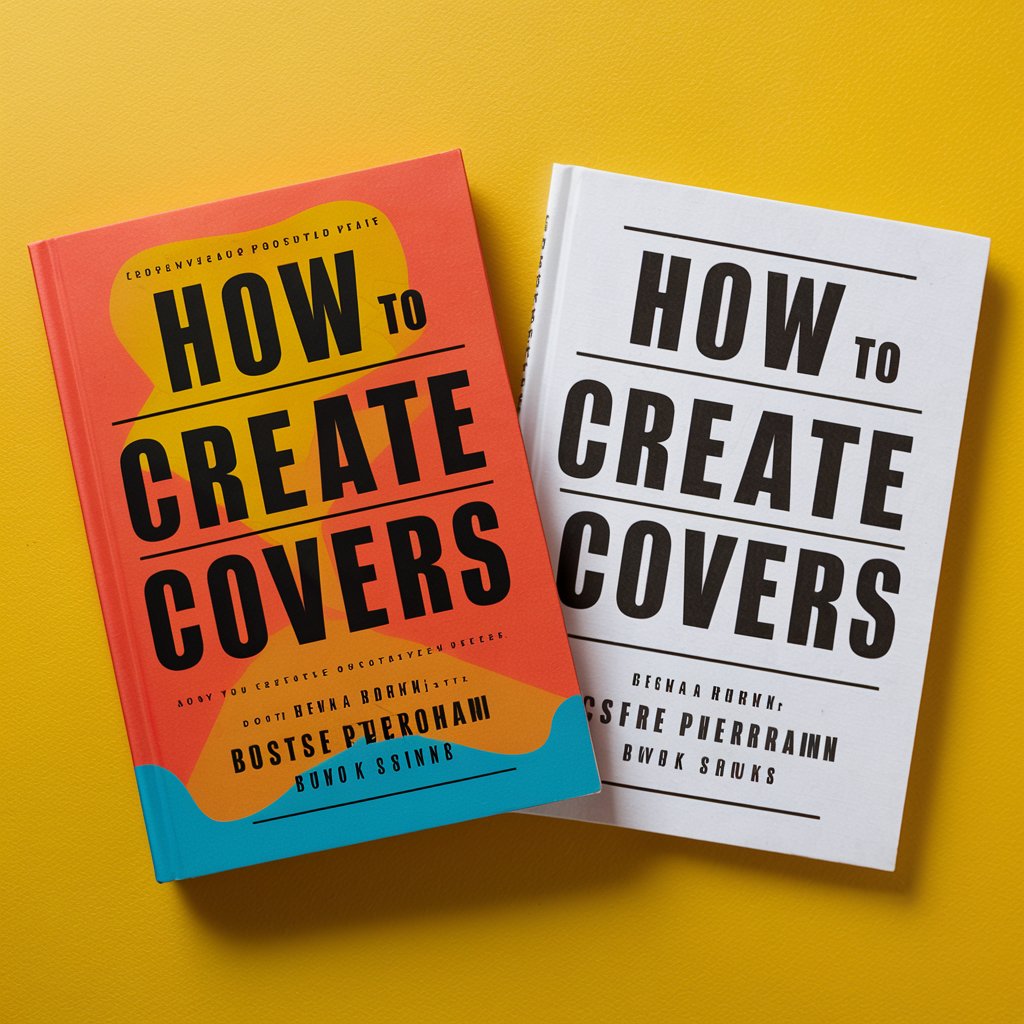 Observing design trends within your book’s genre provides valuable insights into what compels your target audience. Whether it’s the haunting allure of a mystery novel’s cover or the vibrant promise of an adventure tale, aligning with genre conventions can position your book favorably amidst peers.
Collaborating with professional book cover designers is a decisive step towards a cover that not only captures attention but also embodies the essence of the story. In this collaboration, feedback from readers is essential. It helps assess the design’s efficacy and refine elements to maximize its appeal.
As you prepare to engage with designers, clarity about your vision is paramount. Articulating a clear brief ensures the design not only meets expectations but also reduces the likelihood of extensive revisions, saving valuable time and resources. An exemplary book cover merges artistry with marketing savvy, ensuring that when your book sits on a shelf—virtual or real—it stands out, compelling readers to take a closer look.
Exploring Self-publishing and Traditional Publishing Options
When venturing into the world of authorship, individuals face a pivotal decision between self-publishing and traditional publishing—each path catering to different goals and providing varied degrees of control and support. Self-publishing entrusts authors with complete oversight of their book’s journey, from the editing process to distribution and marketing. It facilitates a direct connection with readers and a rapid go-to-market strategy, crucial for the eager author ready to share their story. On the other hand, traditional publishing offers a structure of expertise, where established presses handle the nuances of the publishing process, including the often-daunting tasks of marketing and distribution, yet demand adherence to their guidelines and timelines.
Self-publishing platforms such as Amazon Kindle Direct Publishing (KDP) and Barnes & Noble Press have democratized the publishing industry, allowing authors to release their books freely while obtaining a percentage of the royalties. This modern approach contrasts with  the traditional method of securing a publisher, a journey that can be rife with challenges and competition but also brings the prestige associated with renowned publishing houses.
Self-published works can garner more lucrative royalty rates, often tempting DIY-spirited authors seeking higher returns per sale. However, it’s pivotal to remember that the self-publishing realm mandates authors to be jack-of-all-trades, shouldering the responsibilities typically managed by a traditional publisher.
Self-publishing Platforms and Tools
For budding authors inclined towards self-publishing, a myriad of user-friendly platforms stand ready to facilitate their entry into the literary market. Amazon KDP reigns as a popular choice, enabling the distribution of both e-books and print editions. Its competitors, IngramSpark and Smashwords, also offer robust services catering to indie authors, providing diverse options for content control, design freedom, and expansive distribution networks.
While these tools empower authors with autonomy and rapid publication timelines, they simultaneously necessitate a proactive approach to marketing and reader engagement. Self-published authors must devise and execute their promotional strategies, a feat that can be as daunting as it is rewarding.
Understanding Royalty Rates and Income Streams in Self-publishing
As a self-published author, the financial aspect is pivotal—royalty rates in this sphere can be significantly higher than in traditional publishing. Platforms like Amazon’s KDP extend options of 35% or 70% royalty rates depending on various factors, such as pricing and distribution reach. With self-publishing, the financial model is inviting; authors won’t incur upfront costs, as retailers only claim their share when books sell. Moreover, retaining rights equates to maintaining control over the book indefinitely, a compelling prospect for authors aiming for long-term earnings and creative ownership.

The Pros and Cons of Traditional Publishing
Navigating the realm of traditional publishing unveils a contrasting landscape. Here, publishers relieve authors of the burdens of marketing and logistics but claim a more significant stake in book sales proceeds. The allure of having a dedicated team to manage the intricate details of publishing is tangible, yet the trade-off includes lesser creative control and potentially more extended waiting periods for book releases. Authors may find themselves grappling with stringent publishing guidelines, but in exchange, they gain access to an established audience and the credibility that comes from being selected by a publishing industry gatekeeper.
Submitting Unsolicited Manuscripts to Publishers
 For enthusiastic authors aspiring to captivate audiences through major publishing houses, the journey is complex. Leading publishers like Simon & Schuster and HarperCollins typically shy away from unsolicited manuscripts, nudging authors towards literary agents. However, smaller publishers may offer hope, often detailing submission guidelines for direct manuscript consideration. Becoming a published author with a reputable house as a newcomer is arduous, yet not without its paths—leveraging successes from smaller publishers or self-publishing may capture the gaze of larger players, aiming to ally with commercially promising authors. While direct submissions of unsolicited manuscripts to major publishers may not be the norm, it underscores the importance of strategic planning and considering all avenues to publication—be they self-published works, small presses, or the elusive major publishing houses.
In conclusion, selecting the right publishing avenue is a critical decision that authors must make based on their individual goals, resources, and expectations for their book’s journey. Each route offers distinct advantages and challenges, with the promise of fulfillment and success achievable through careful navigation and dedication to one’s craft.
Marketing and Promotion Strategies for Your Book
Crafting a robust marketing and promotion strategy is essential for the success of any self-published book. Savvy authors understand the imperative of reaching their ideal reader through various channels. Initiating buzz around a new title often starts with a strategic social media campaign, leveraging platforms such as Instagram, Facebook, and Twitter to share engaging content that resonates with potential readers. Book launch events, whether virtual or in-person, offer a dynamic platform to celebrate the new release, attract media attention, and provide a memorable experience for fans.
Third-party promotional services can alleviate the marketing load, particularly for first-time authors who may not yet have an extensive network or understand the intricacies of book promotion. These services can broaden reach and lend an air of professionalism to the promotional efforts. For example, enlisting the help of a professional editor or graphic designer can elevate the entire book, from writing style to book cover design, resulting in more positive book reviews and, ultimately, increased book sales.
 Every author must be prepared for unexpected opportunities to market their book. One impactful strategy is to enlist industry influencers to provide testimonials or write forewords, instantly boosting the book’s credibility and appeal. Establishing strong connections through networking can pave the way for these golden promotional opportunities, which can sometimes be as serendipitous as they are strategic.
Here’s a brief list to encapsulate these strategies:
- Develop a strategic social media promotion plan
- Host book launch events to engage with readers and media
- Seek third-party services for wider promotional reach
- Pursue endorsements from credible industry figures
- Stay alert for unexpected marketing opportunities
Remember, each interaction is a chance to leave an impression, turn readers into fans, and fans into advocates for your work.
Building an Email List to Connect with Potential Readers
 The importance of building an email list for authors cannot be overstated. It’s a direct line to your most engaged fans—the ones likely to buy your book and recommend it to others. By capturing email addresses, you nurture a community of potential readers who have signaled interest in your work and are more receptive to updates and offers.
This email list represents a powerhouse for launching your book. A well-crafted email campaign can generate immediate book sales, turning a new release into a bestseller. Platforms like Amazon value this initial surge, making them more likely to promote your title to a wider audience. Moreover, these dedicated subscribers will often be the first to leave valuable book reviews, propelling further awareness and attracting potential readers.
In crafting emails, focus on providing exclusive insights into your writing process, early bird discounts, or previews of future projects. Personalized content fosters a closer author-reader connection, which translates into long-term loyalty and support for your work.
Consider this checklist when using email as a marketing tool:
- Offer incentives to encourage sign-ups
- Craft engaging content that provides value
- Use the list for exclusive offers and book launch notifications
- Encourage feedback and reviews from subscribers
- Keep the conversation going beyond the initial book launch
Remember, a list of a thousand engaged subscribers can be more influential than tens of thousands of dispassionate ones. Engagement is key, and a well-nurtured email list is a goldmine for a self-published author.
Utilizing Social Media and Blogging to Connect with Your Audience
In an era where content is king, utilizing social media and blogging are indispensable ways for authors to connect with audiences. Creating and managing dedicated social media accounts for your book allows you to engage with readers, share snippets of your writing style, and build hype around your book’s title and cover design. Being active on social media also presents the opportunity to collaborate with other authors, graphic designers, and industry experts, fostering a supportive community that can rally around your release.
Blogging serves as a complementary platform for deeper dives into your book’s theme or subject matter. Through blog posts, you can explore topics that resonate with your readers, establish yourself as an authority in your genre, and share your journey as a first-time author or seasoned writer. Be authentic and relatable, and use blogging to create content that attracts and retains an audience.
 Here are some actionable strategies to maximize your social media and blogging efforts:
- Schedule regular updates on social media to maintain presence
- Engage with followers by responding to comments and messages
- Partner with book bloggers for reviews and features
- Start a blog to share your expertise and book-related content
- Appear on podcasts or start your own to discuss your book
These tools are not just for promotion; they are for connection. Let your personality shine and make sure every post, tweet, or article adds value to your audience’s day.
Marketing Tools and Strategies for Online Book Promotion
In the limitless arena of the online world, book trailers have emerged as a dynamic and visually appealing way to garner attention for your book. These short, eye-catching videos can distill the essence of your story, hooking potential readers with cinematic flair. A professional-looking trailer can significantly boost the professional image of your brand and capture the curiosity of your audience.
Utilizing social media expertise for targeted campaigns can place your book in front of ideal readers. Consider implementing price promotions to tempt new readers or use third-party services to get your book featured on newsletters and blogs, boosting visibility and reach across various online platforms, such as online retailers and book review sites.
Bear in mind that promoting your book is a marathon, not a sprint. Post-launch strategies should include continuous engagement with your audience—think virtual readings, live Q&As, or collaborative events with other self-published authors. Such strategies ensure sustained interest in your book, nurturing a long-term relationship with your readers.
Remember these pointers for online book promotion:
- Create an attention-grabbing book trailer
- Collaborate with social media experts for targeted promotion
- Offer limited-time price deals to attract new readers
- Partner with promotional services for features and spotlights
- Engage continuously with readers to maintain book’s visibility
Online promotion is an evolving landscape, so stay informed of new trends and platforms where your potential readers might congregate.
Leveraging Book Trailers and Book Reviews to Boost Sales
Leveraging multimedia elements such as book trailers offers a captivating preview of your work, piquing the interest of potential readers with a cinematic glimpse of your story. A professionally made trailer can act as a magnet for those who prefer visual enticement, providing a teaser that prompts them to buy your book.
 Encouraging book reviews from readers is a fundamental step in solidifying your book’s reputation. Reviews act as social proof, reassuring potential readers of your book’s worth and quality. They can bolster your book’s discoverability on platforms like Amazon and Goodreads, fueling book sales and broadening your audience.
Engagement doesn’t end at book launch. It’s important to maintain interaction with your audience. Participating in book signings, hosting giveaways, and implementing creative promotions on social media keeps the conversation going and your book firmly on the radar of your readers.
To maximize the impact of trailers and reviews, consider these tips:
- Share your book trailer across all your social media platforms
- Request reviews from readers in your email list and social media following
- Offer a ‘sneak peek’ inside your book to tantalize interested readers
- Organize giveaway contests incentivizing fans to leave reviews
- Reach out to book bloggers and vloggers to feature your trailer
Finally, consider the trailer and reviews not as a final destination but part of a continuous cycle of engagement, conversation, and promotion that keeps your book alive in the minds of your readers.
The Book Launch and Beyond
The pathway to successful authorship doesn’t end with the last full stop; it extends into the strategic unveiling of your book to the world. The book launch serves not just as a debut but also as the foundation for your book’s ongoing promotion. It’s an event that transmits the excitement of a new story waiting to be discovered by eager readers. To keep the buzz alive, it’s imperative to employ various marketing  methods including paid advertisements, strategic content marketing, podcast appearances, and engaging local events.
By starting the marketing dialogue early, even before the final phase of the editing process, authors can cultivate an audience, gather crucial email addresses for direct promotion, and establish a launch team dedicated to amplifying the book’s reach. A self-published author holds the reins when it comes to creative freedom and decision-making, which can translate into higher royalty rates—up to 70% as observed in self-publishing platforms like Amazon Kindle Direct Publishing.
Continued promotion and distribution are key to ensure that your book finds a place in readers’ hands, bookshelves, and hearts, well beyond the initial launch. Such sustained efforts can help maintain sales momentum, broaden readership, and solidify your career as a published author.
Creating a Strong Book Launch Checklist
 An effective and memorable book launch is no accident—it’s the result of meticulous planning, foresight, and strategic execution. A killer launch plan entails spreading awareness, engaging with audiences, and generating buzz for your upcoming book. To aid in this process, resources like Reedsy’s book launch checklist are invaluable, offering a step-by-step guide to ensure you’ve checked all the essential boxes.
Building a website, cultivating a mailing list, and forming a street team composed of friends, family, and collaborators are pivotal steps. A comprehensive checklist would include setting up a compelling launch page to captivate visitors and convert them into vital email subscribers—a core group invested in your book’s journey. This proactive approach, starting well before the book’s completion, consolidates your efforts and streamlines your route to successful publication.
Understanding Book Positioning and Pricing Strategies
Crafting a compelling narrative is only one piece of the publishing puzzle; understanding the strategic placement of your book in a competitive market is equally pivotal. Book positioning involves shaping the perception of your book in the reader’s mind by highlighting its distinct qualities and the unique experiences it promises. Proper positioning not only simplifies the marketing process but leads to better resonance with your target audience.
Pricing strategies pose a conundrum for self-published authors, requiring a fine balance between accessibility and profitability. Research is crucial; observing the pricing trends of other books within your genre provides a benchmark. Price too high, and you might deter readers; too low, and you may undervalue your work. For self-published authors envisioning their book’s impact, considerations must align with broader objectives such as readership growth, reader value, and personal authorial goals.
Maximizing Online Book Listings on Retailers such as Amazon and Apple Books
The online retail space is a goldmine for self-published authors. With giants like Amazon and Apple Books, it’s essential to leverage their platform-specific features to maximize book exposure and sales. Amazon’s algorithm, for instance, places significant weight on user reviews as a determining factor for visibility. A higher number of positive reviews not only builds credibility but also enhances discoverability among potential readers.
Retaining a significant percentage of royalties, 70% for eBooks, and 60% for paperbacks when selling on platforms like Amazon, empowers authors financially. Furthermore, Amazon’s extensive global printing network ensures efficient print-on-demand service. Continuous monitoring of book sales and gathering reader feedback is indispensable for refining future marketing approaches. Building a diverse book catalog can also compound visibility and attract a wider audience on these online retailer platforms.

Exploring Book Promotion Services and Opportunities for Authors
Taking the plunge into book promotion might seem daunting, but authors don’t have to navigate these waters alone. Book promotion services offer strategic expertise tailored to get books into the hands of readers who will cherish them. These services can enhance an author’s marketing trajectory, reducing the inherent strain of self-promotion and broadening the reach.
Additionally, self-publishing companies are at hand to provide authors with the technological support, educational resources, and publishing services required to thrive. These companies can demystify the process and help authors capitalize on opportunities as they arise. An indispensable aspect for any savvy author is the readiness to embrace unforeseen chances, from surprise media interviews to late-breaking promotional prospects, that can transform the trajectory of their book’s success. With these services and a mindset attuned to opportunity, authors can craft a promotion narrative as compelling as the stories they write.
Leave a Reply